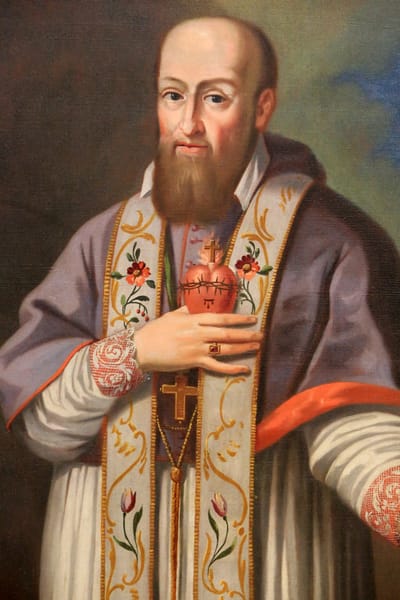
Saint Robert Bellarmine (Roberto Bellarmino) was born on October 4, 1542, in Montepulciano, Tuscany, Italy, into a noble but impoverished family. From a very young age, he showed a great love for studies and the Christian faith. At the age of 18, he entered the Society of Jesus (Jesuits) and was ordained a priest in 1570.
Read MoreSaint of the day and spiritual life #Doctor
3 min read
0 Comments
3 min read
0 Comments
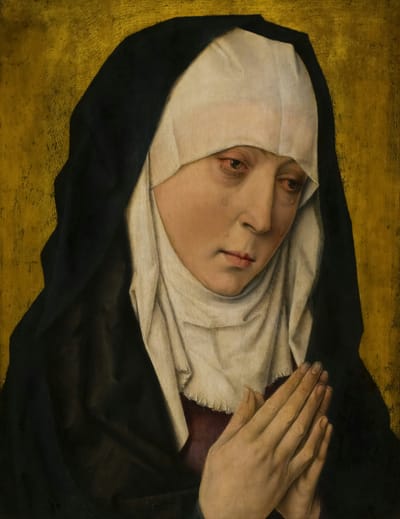
Saint Hildegard of Bingen was born on September 16, 1098, in Bermersheim, near Alzey, Germany. Born into a noble family, she was entrusted at a very young age to a religious life, under the guidance of Jutta of Sponheim, at the Benedictine monastery of Disibodenberg. From childhood, Hildegard benefited from mystical visions, but for a long time, out of humility and fear, she hesitated to speak of them. Upon Jutta's death, Hildegard became abbess of the convent and had a great influence on the spiritual and intellectual life of her time. In 1150, she founded the monastery of Rupertsberg near Bingen, and later that of Eibingen
Read More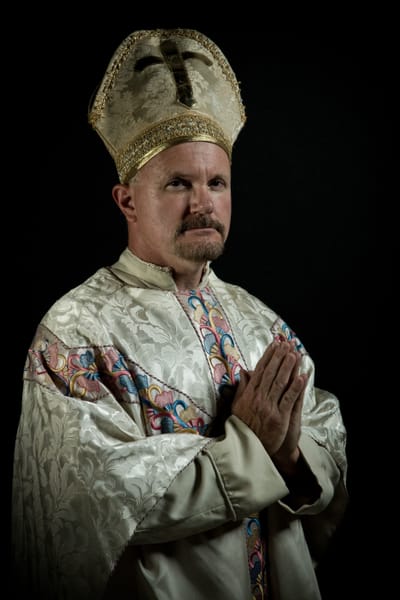
3 min read
0 Comments
Saint John Chrysostom (c. 349–407) is one of the greatest Fathers of the Church, renowned for his eloquence, austere life, and commitment to social justice. His nickname, "Chrysostom," means "golden mouth" in Greek, due to the beauty and power of his homilies and teachings.
Read More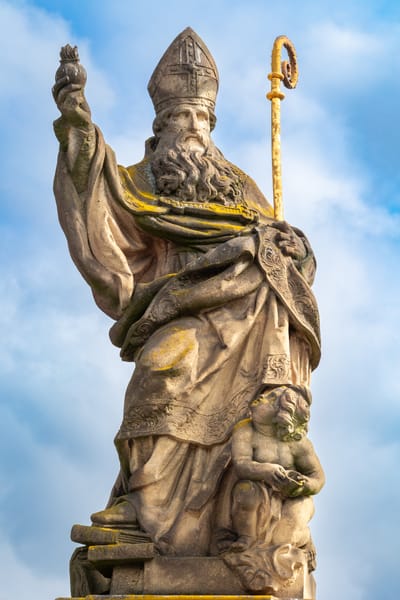
2 min read
0 Comments
Saint Augustine (354–430) is one of the most prominent figures of Latin Christianity. Born in Thagaste (present-day Souk Ahras in Algeria) to a devout Christian mother, Saint Monica, and a pagan father, he received a solid education in rhetoric and philosophy. At a very young age, he turned away from the Christian faith to devote himself to a worldly life and the search for truth in various philosophies, notably Manichaeism.
Read More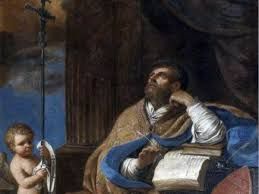
5 min read
0 Comments
Saint Peter Chrysologus (c. 380–c. 450), whose name means "golden word" (from the Greek chrysos = gold and logos = word), was an important figure in the 5th-century Church. Bishop of Ravenna, eloquent preacher, and ardent defender of the Catholic faith, he was proclaimed a Doctor of the Church in 1729 by Pope Benedict XIII.
Read More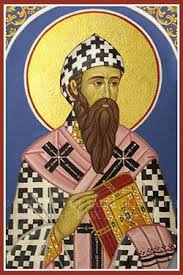
5 min read
2 Comments
Born around 315 near Jerusalem, Cyril of Alexandria was a defender of the Nicene Creed against Arianism; author of the Mystagogical Catecheses, participant in the Council of Constantinople (381), recognized as a Doctor of the Church in 1883; he died in 386.
Read More
4 min read
0 Comments
Born around 950 in the Kingdom of Armenia, Saint Gregory of Narek is a major figure in Armenian Christian spirituality. A theologian, monk, poet and mystic of the 10th century, he was recognized as a Doctor of the Church by Pope Francis in 2015.
Read More